
How to Choose the Right Stove for a Sea Kayak Expedition
Jul 30, 2026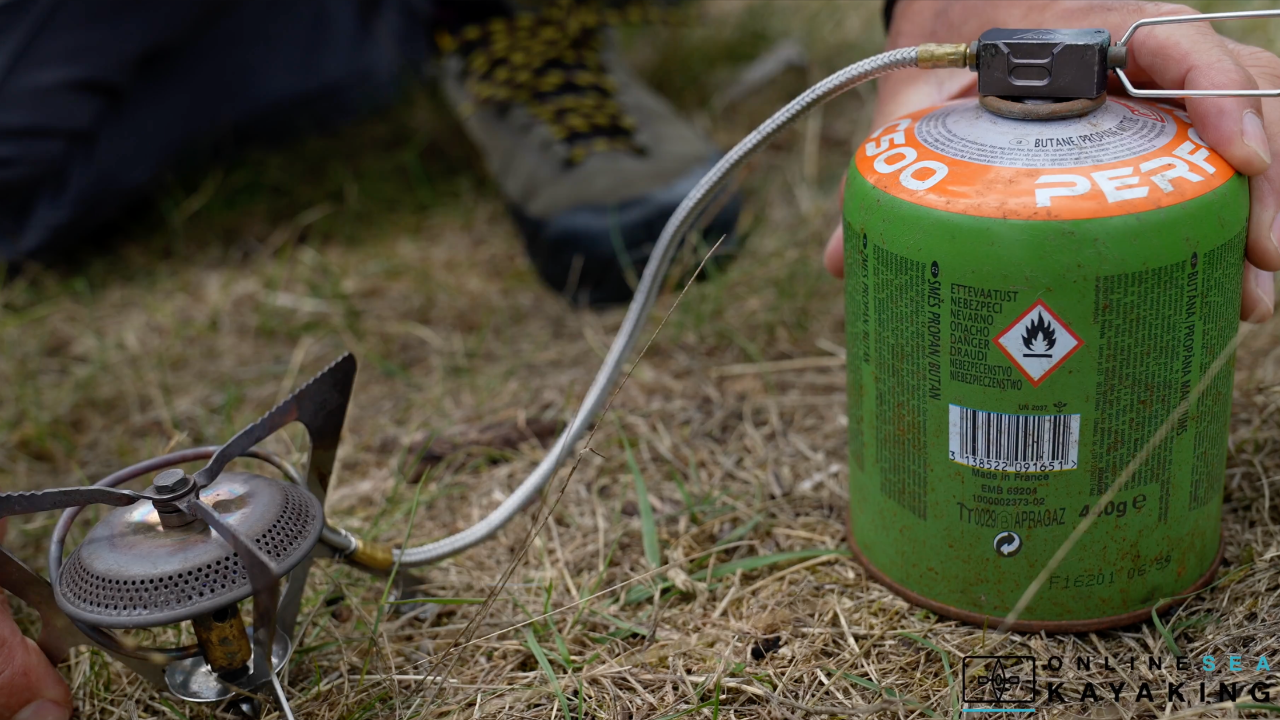
After a long day on the water, few things beat a hot meal or a brew while watching the sun set over the coast. But not all camping stoves are created equal, and the best choice for one trip might be completely wrong for another.
The ideal stove for a sea kayak expedition depends on where you're paddling, how you like to cook, how much space you have, and what fuel will be available. In this guide, we'll look at the main options and the key factors to consider before packing your stove.
Match Your Stove to Your Cooking Style
The first question to ask yourself is: what do you actually plan to cook?
If your meals consist mainly of dehydrated food, boil-in-the-bag meals or instant porridge, then all you really need is a stove that boils water quickly and efficiently.
If, however, you enjoy cooking proper meals in camp, you'll want something with better flame control, greater stability and enough power to simmer rather than simply blast out heat. Frying fish, cooking pasta or preparing meals from fresh ingredients is much easier on a stove designed with cooking in mind.
Choosing a stove that matches your style of cooking can make camp life far more enjoyable.
Think About Fuel Availability
One of the biggest considerations is what fuel you'll actually be able to get hold of.
For trips around the UK, gas canisters are generally easy to find and are the most convenient option. However, if you're flying to your destination, you won't be able to transport gas canisters on the aircraft, meaning you'll need to source them once you arrive.
In more remote parts of the world, suitable gas canisters may be difficult or impossible to find. In these situations, petrol is often the most readily available fuel, making a multi-fuel or petrol stove the more reliable choice.
Before travelling, it's always worth researching what fuels are commonly available in the area you'll be visiting.
Gas Stoves – The Popular Choice
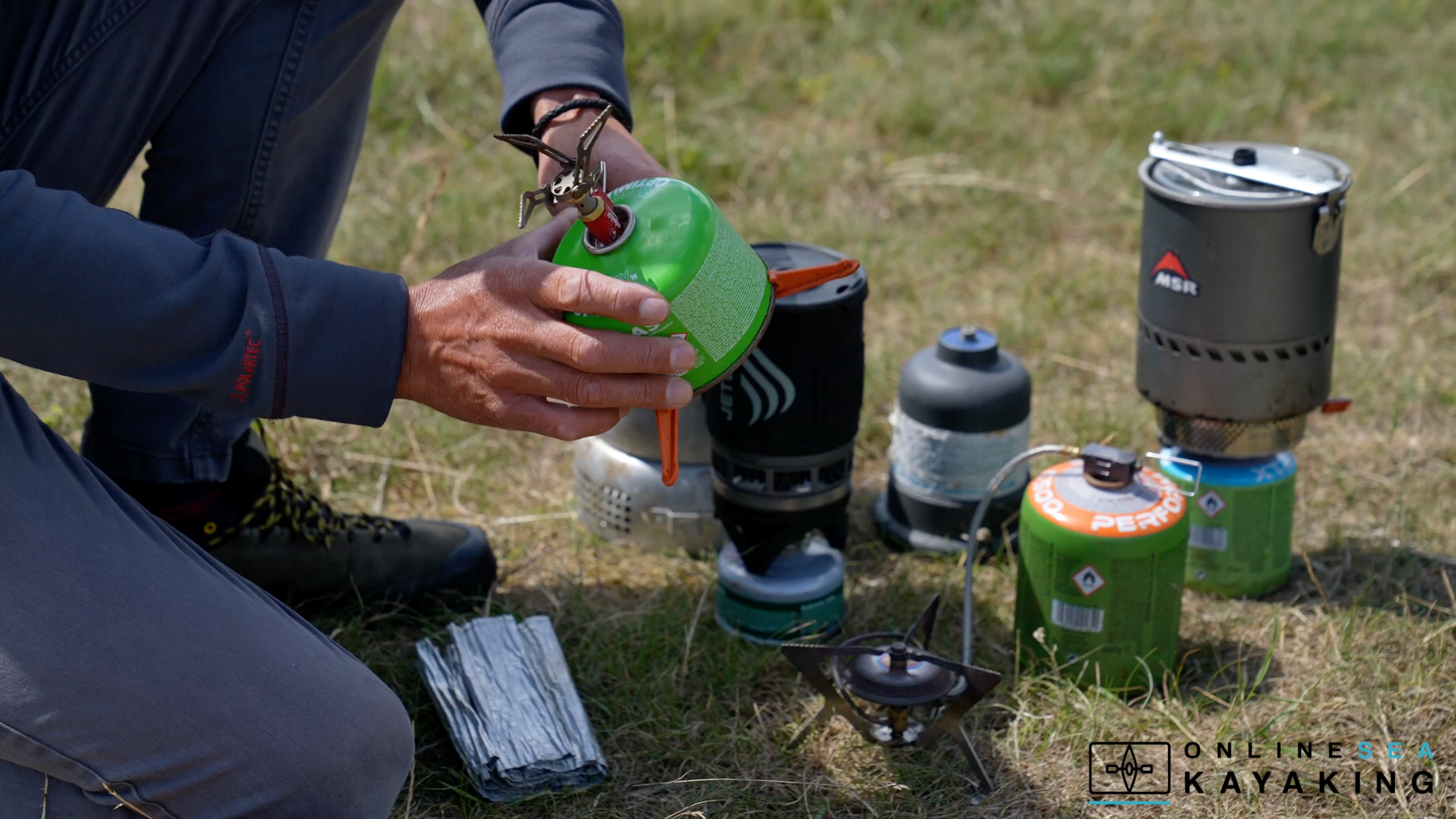
For most sea kayakers, gas stoves are the go-to option.
They're quick to light, clean to use and require very little maintenance. Flame control is generally excellent, making them suitable for everything from brewing tea to cooking a full evening meal.
Small bottle-top gas stoves are particularly popular because they're lightweight, compact and take up very little room in a hatch. The downside is that, because the stove sits directly on top of the gas canister, they can become unstable when using larger pots or cooking on uneven ground.
For solo paddlers or simple cooking, they're often an excellent choice.
Remote Gas Stoves Offer Greater Stability
If you regularly cook more substantial meals or paddle with a group, a remote gas stove is well worth considering.
These stoves connect to the gas canister via a flexible hose, allowing the burner to sit low on the ground. This creates a much more stable cooking platform and makes it easier to use larger pans safely.
Many remote gas stoves also perform better in windy conditions, making them particularly well suited to exposed coastal campsites where shelter can be hard to find.
Integrated Cooking Systems Are Incredibly Efficient
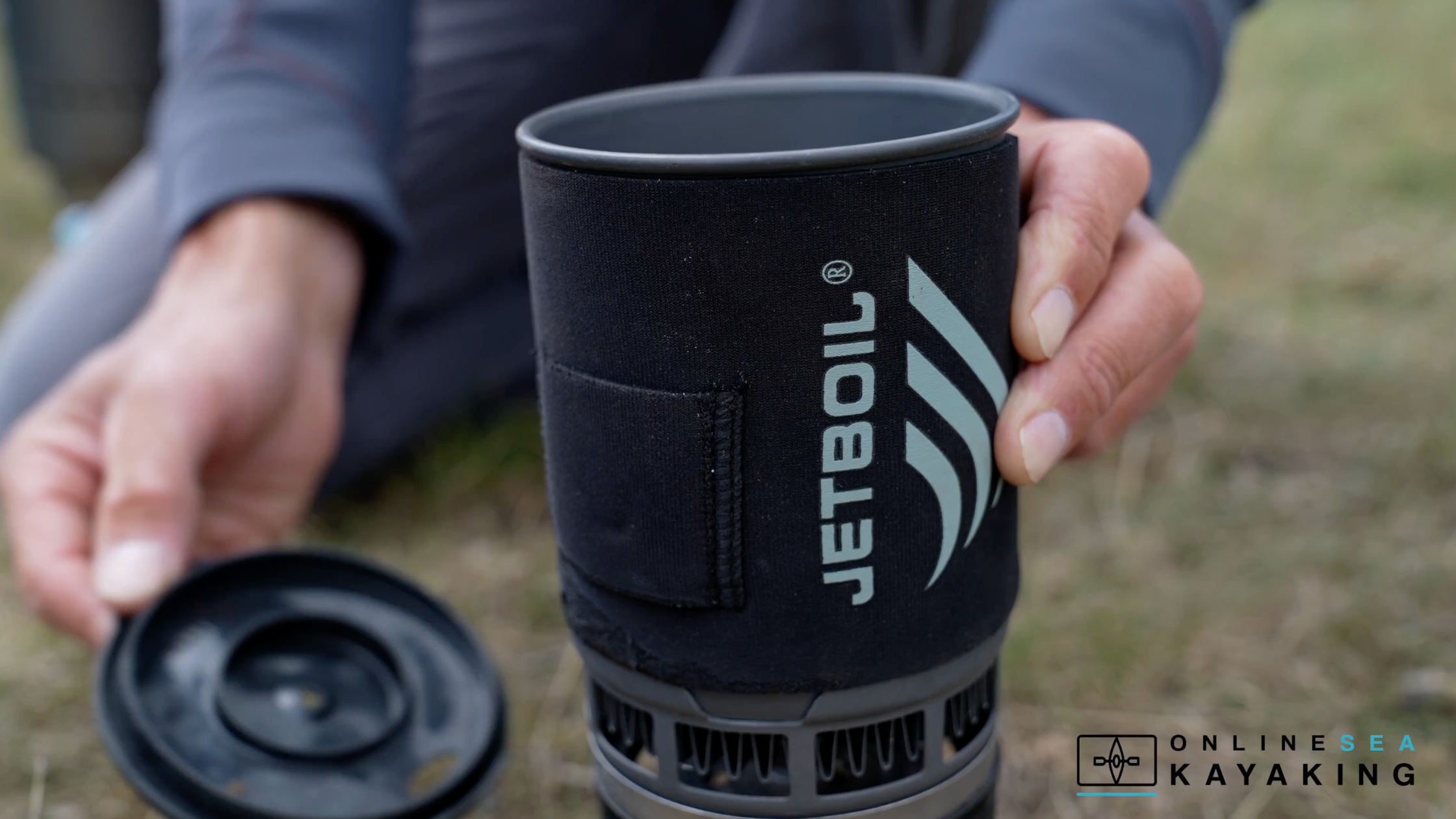
Integrated cooking systems, such as Jetboil-style stoves, combine the burner and cooking pot into one highly efficient unit.
Because the heat is directed straight into the pot, they boil water remarkably quickly while using less fuel than many traditional stoves.
If your expedition meals mainly involve adding boiling water, these systems are hard to beat. They're lightweight, compact and exceptionally fuel-efficient.
The trade-off is versatility. Their tall, narrow pots aren't ideal for frying or preparing more elaborate meals, so they're best suited to simple expedition cooking.
Petrol Stoves Excel in Remote Expeditions
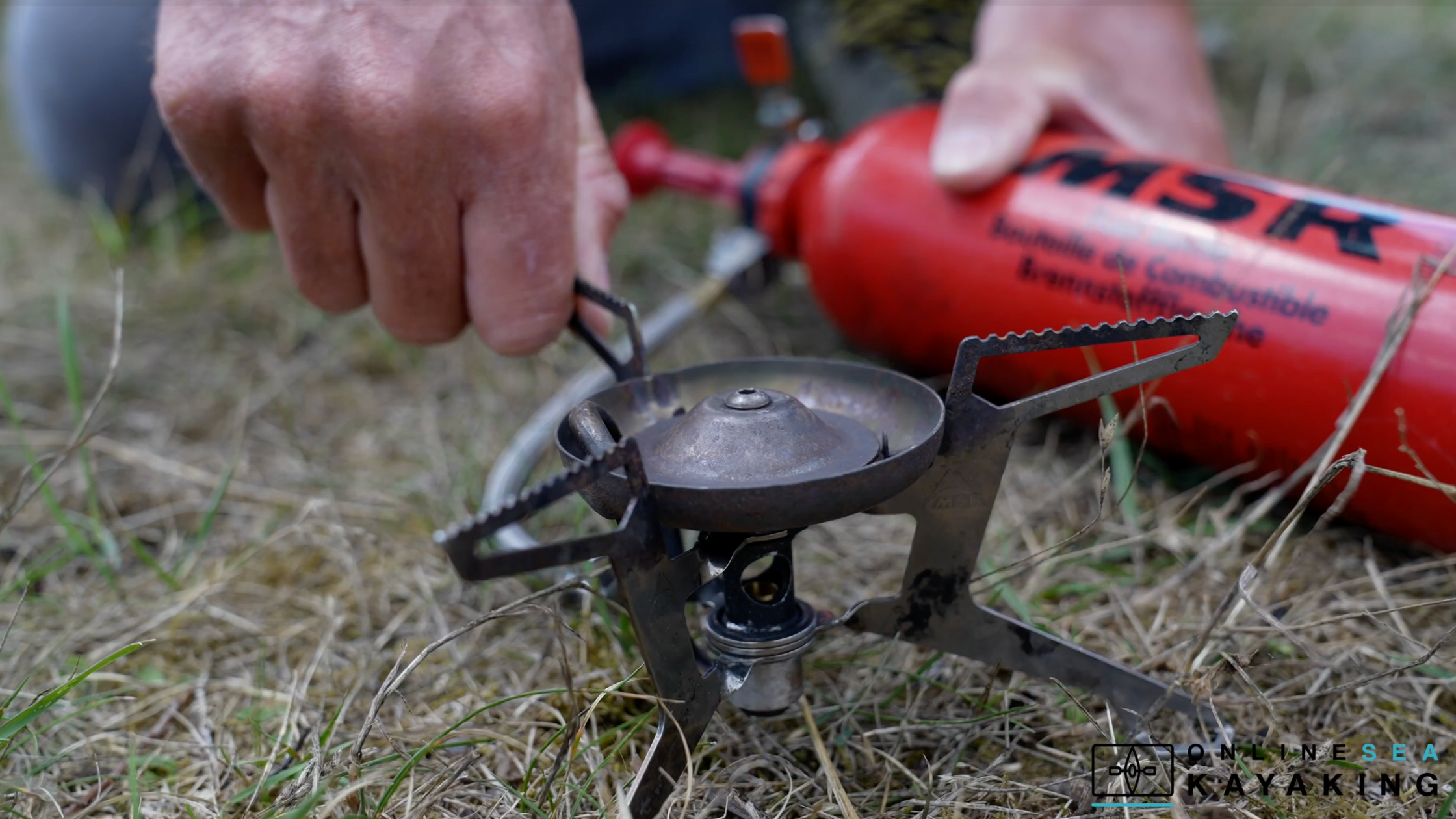
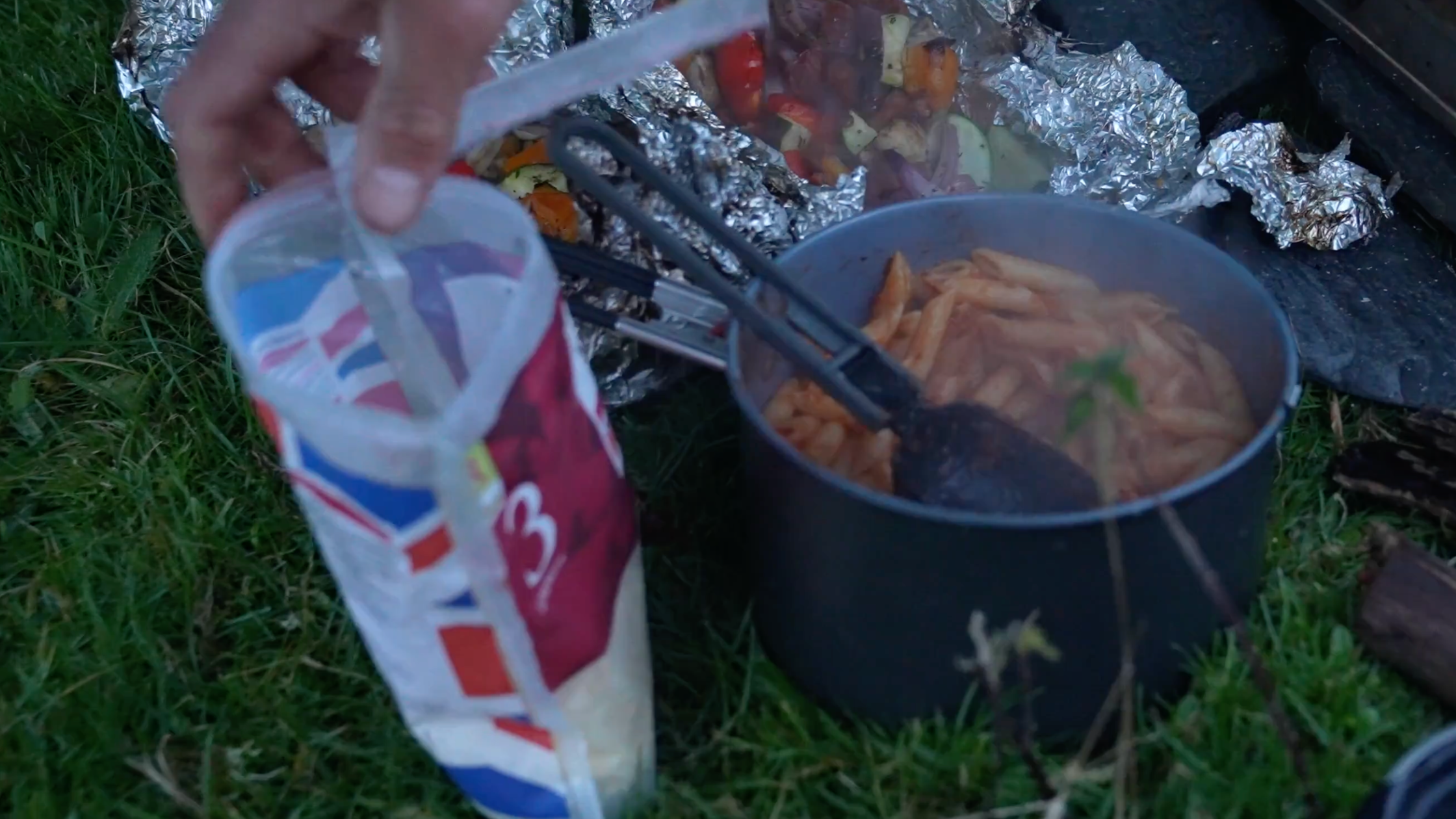
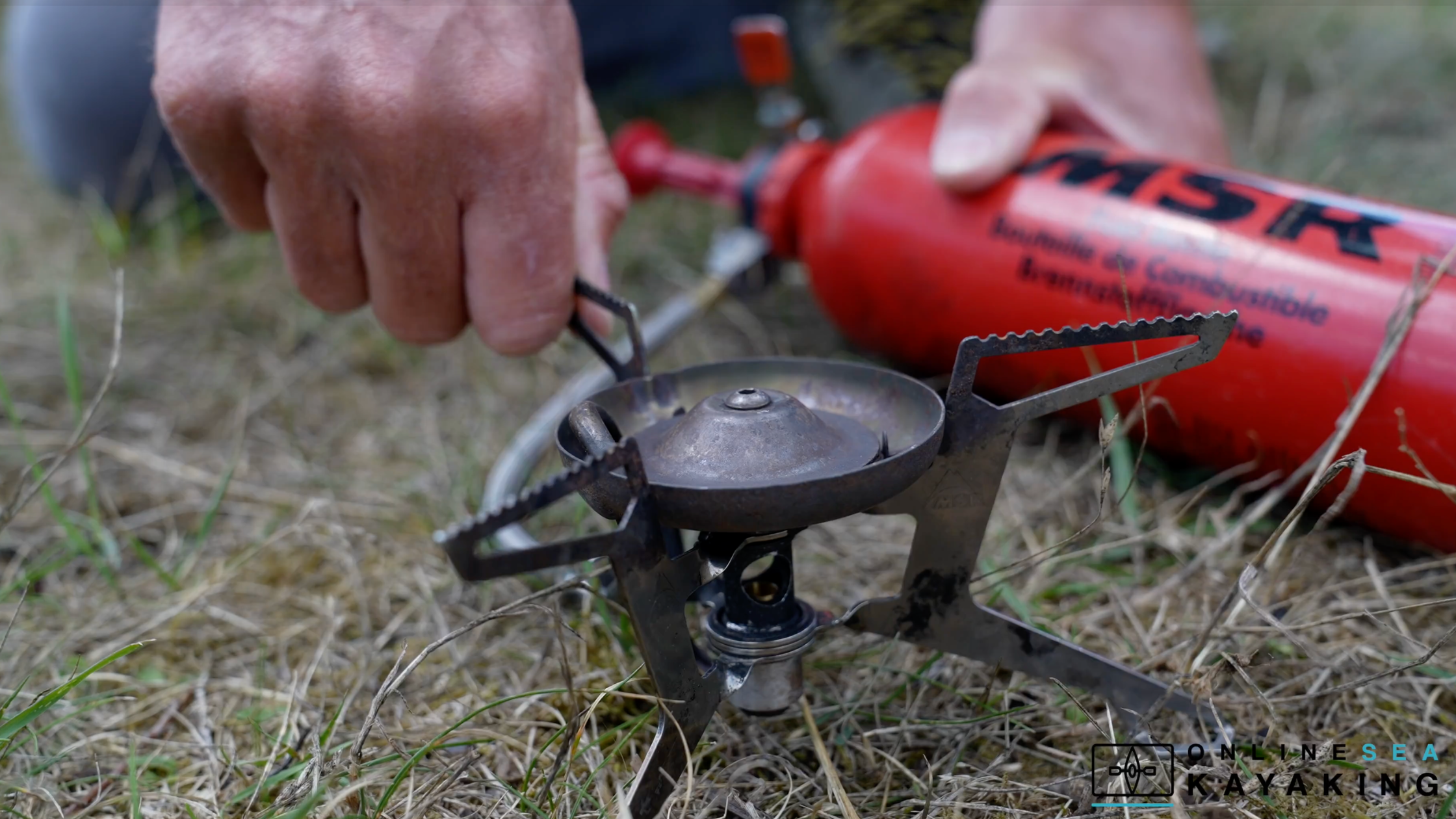
When travelling to places where gas isn't available, petrol stoves really come into their own.
They produce plenty of heat, perform well in cold conditions and can often run on fuels that are readily available almost anywhere in the world.
The downside is that they require more maintenance. They need priming before use, occasional cleaning and a little more knowledge to operate safely. They're not difficult to learn, but they do demand a bit more attention than a simple gas stove.
For long, remote expeditions, however, they're often the most dependable option.
Alcohol Stoves Still Have Their Place
Alcohol stoves, such as the classic Trangia system, have been used by paddlers for decades.
They're incredibly simple, quiet and reliable, with very few moving parts to go wrong. They're also relatively safe compared to pressurised fuel systems.
Their main disadvantage is speed. They take longer to boil water, use more fuel overall and can struggle in very windy conditions without good protection.
While many paddlers now choose gas systems, alcohol stoves remain a solid option for relaxed trips or as a dependable backup.
Never Underestimate a Windshield
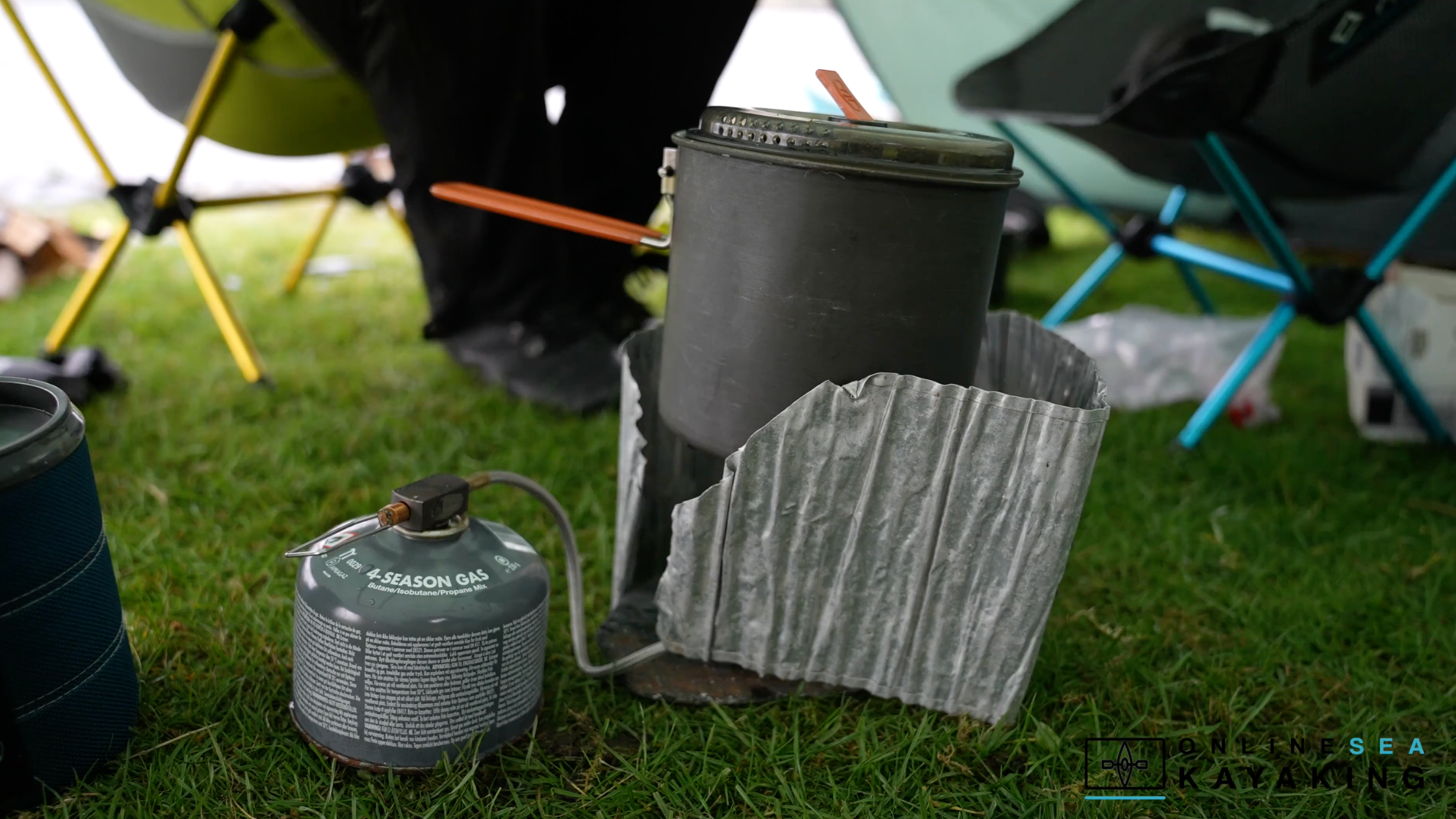
Whatever stove you choose, one small accessory can make a huge difference: a windshield.
Coastal camps are rarely sheltered, and even a light breeze can dramatically increase boiling times and fuel consumption.
A lightweight foil windshield helps protect the flame, improves efficiency and allows your stove to perform much better in exposed conditions. It also means carrying less fuel for the same trip.
It's one of the simplest and cheapest upgrades you can make to your cooking system.
Choose the Right Stove for the Trip
There isn't a single "best" stove for sea kayaking.
Instead, think about the type of expedition you're planning.
Ask yourself:
- How many people am I cooking for?
- Will I only be boiling water or preparing proper meals?
- What fuel will be available?
- Am I travelling by car or flying?
- How important are weight and packed size?
- What weather conditions am I likely to encounter?
Answering these questions will help you choose a stove that suits the trip rather than simply buying the latest piece of kit.
Final Thoughts
Your stove quickly becomes one of the most important pieces of expedition equipment. It provides hot food, warm drinks and a welcome morale boost after a long day on the water.
Whether you choose a compact gas stove, a highly efficient integrated system or a dependable petrol stove for remote adventures, the key is selecting a setup that matches your style of paddling and the demands of the expedition.
The right stove won't just make cooking easier, it'll make your time in camp far more enjoyable.
If you enjoyed this blog, you will love our full Expedition Skills course. Subscribe today with our 7-Day FREE Trial and get instant access to this course as well as all of our other online courses, documentaries and community.
Full access to the OSK Library of courses and content
Free 7 day trial
Access to the full OSK Library of courses + Community
Accelerate your skills development
Get unlimited support and feedback from the OSK Coaches
Increase your navigation and planning knowledge
Become a safer paddler
Get inspiration
Learn about kayaks and equipment
Interact with a growing community of paddlers
A whole year of learning for less than a day of on water coaching
