
Choosing the Best Tent for Sea Kayaking Expeditions
Jun 12, 2026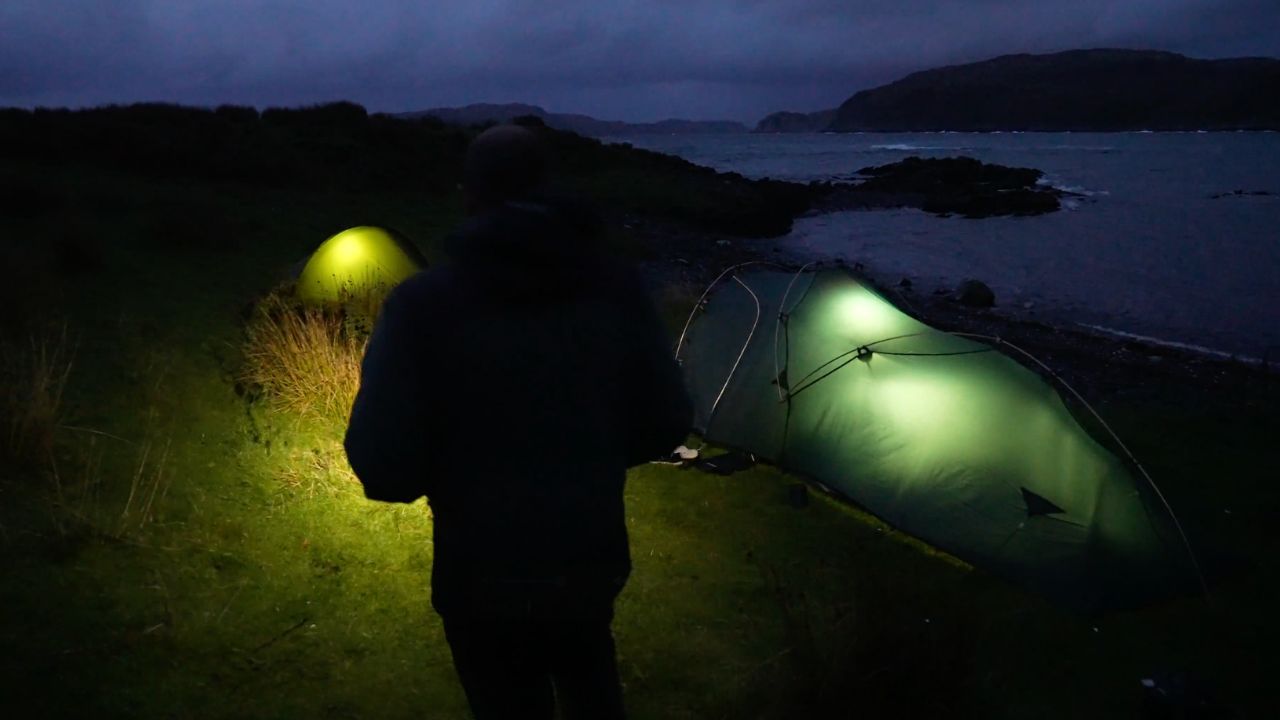
Choosing the right tent for expedition sea kayaking is one of the most important decisions you’ll make when planning your trip. Your tent is your shelter, your refuge from the weather, and the place where you’ll recover after a long day on the water. If you get it wrong, you could end up cold, wet and uncomfortable. If you get it right, you’ll stay warm, dry, and well-rested, even in challenging conditions.
There are many different tents on the market, and they all come with their own advantages and disadvantages. The type you choose will depend heavily on the environment you’re paddling in. If you’re heading into wild, exposed and windy places, you’ll need a very different setup compared to camping in calm, sheltered and sunny conditions. Understanding these differences is key to making the right choice.
A good quality tent makes a huge difference on expedition. In poor weather, a low quality tent may struggle to keep you dry, may not hold up in strong winds, and could even leak. Cheaper tents are often made with lighter and less durable materials. While they can be absolutely fine in good conditions, they are far less reliable when the weather turns. Higher quality tents use stronger fabrics, more robust poles, and better fixtures such as guy lines and pegs that hold firm in wind and rain.
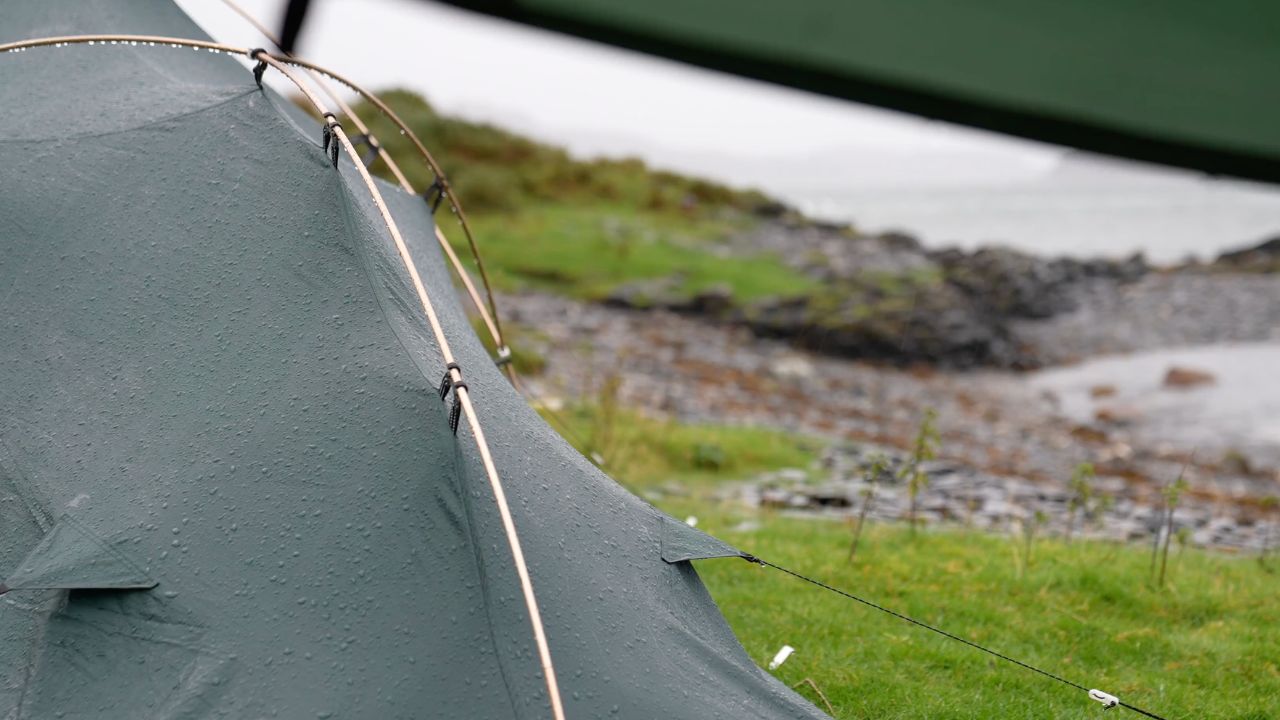
Key advantages of higher quality tents include:
-
Stronger pole systems that resist snapping in high winds
-
More durable waterproof fabrics in the flysheet and inner
-
Better quality guy lines and pegs for stability
-
Improved weather resistance in prolonged rain and storms
When choosing a tent for sea kayaking, there are a few key things to consider. One of the first decisions is the tent style. Tunnel tents are very popular for expeditions because they are quick to pitch and very efficient in windy conditions. Geodesic or semi geodesic tents are another option and are generally more free standing, offering strength and stability in exposed environments.
Another important factor is whether the inner and outer pitch together or separately. With some tunnel tents, the inner and outer can go up at the same time. This is a big advantage in wet weather because it prevents the inner tent from getting soaked during pitching and allows for a very fast setup.
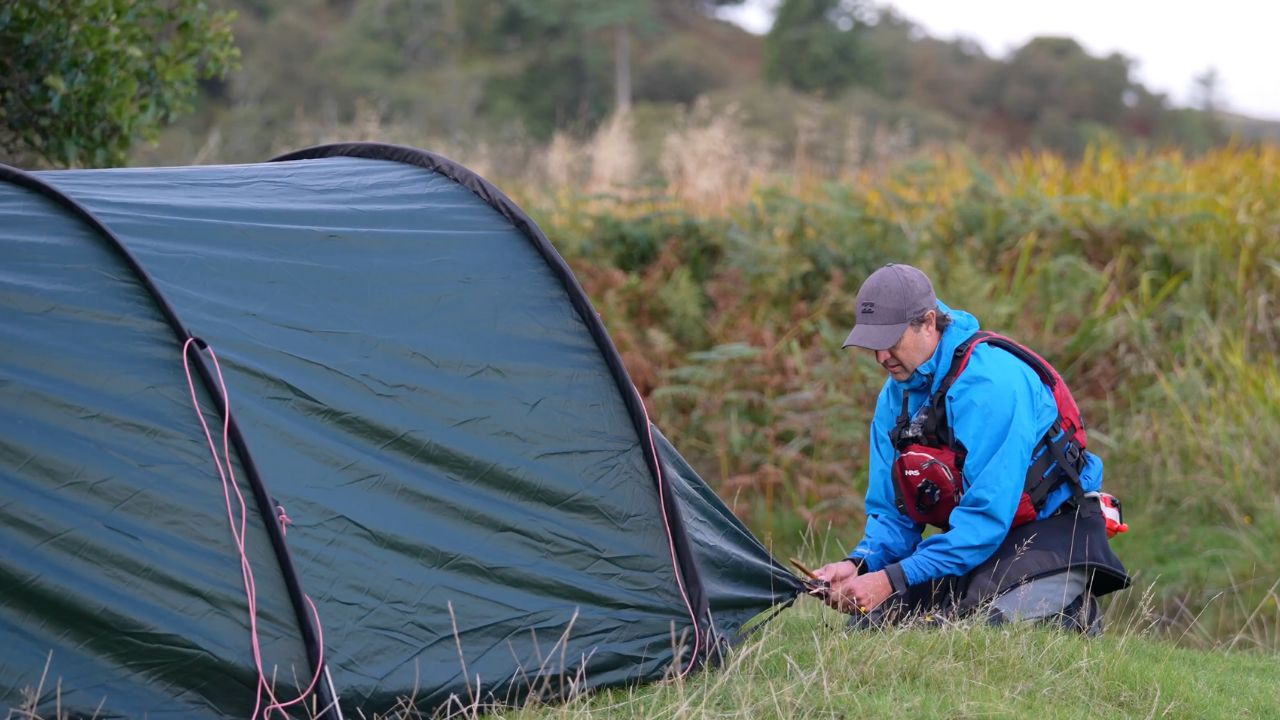
Benefits of pitching inner and outer together:
-
Faster setup in poor weather
-
The inner tent stays dry during pitching
-
Less time exposed to wind and rain
-
Simplified pitching process at the end of a long day
Freestanding or semi geodesic tents usually work differently. The inner is often pitched first, followed by the flysheet placed over the top. This can be less convenient in heavy rain, but it does have advantages, such as allowing you to separate components more easily if you are sharing equipment within a group.
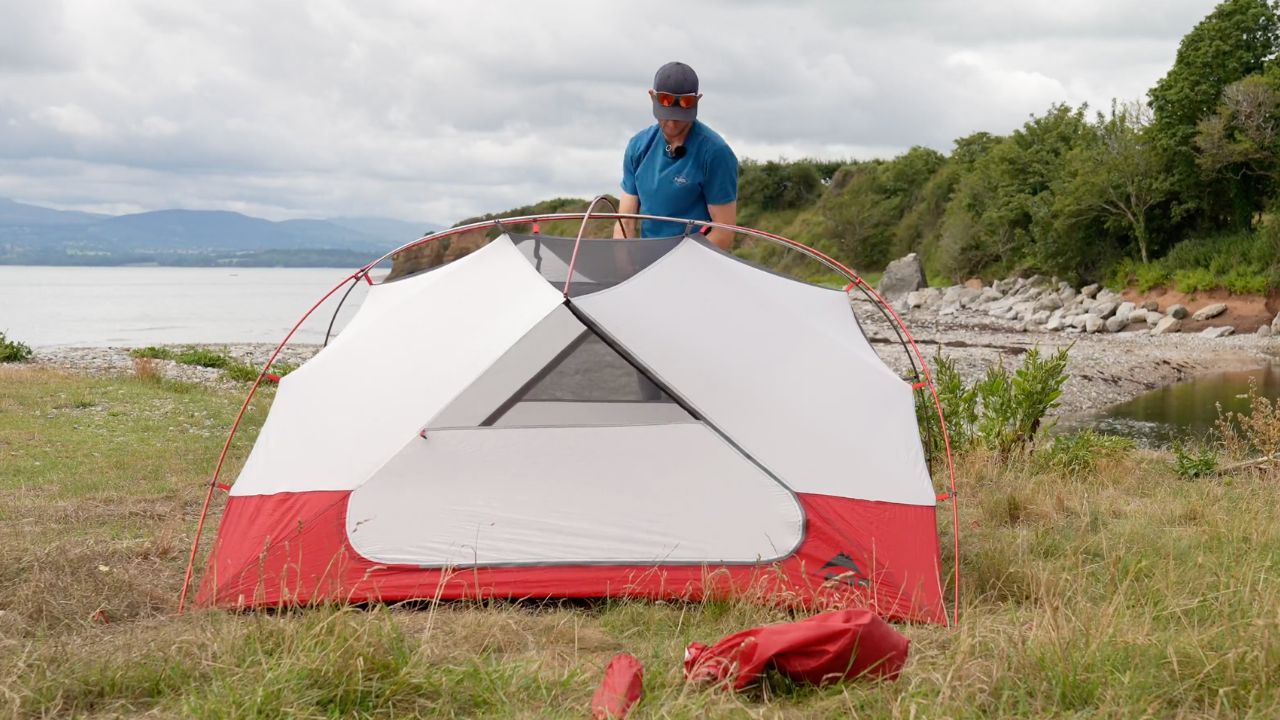
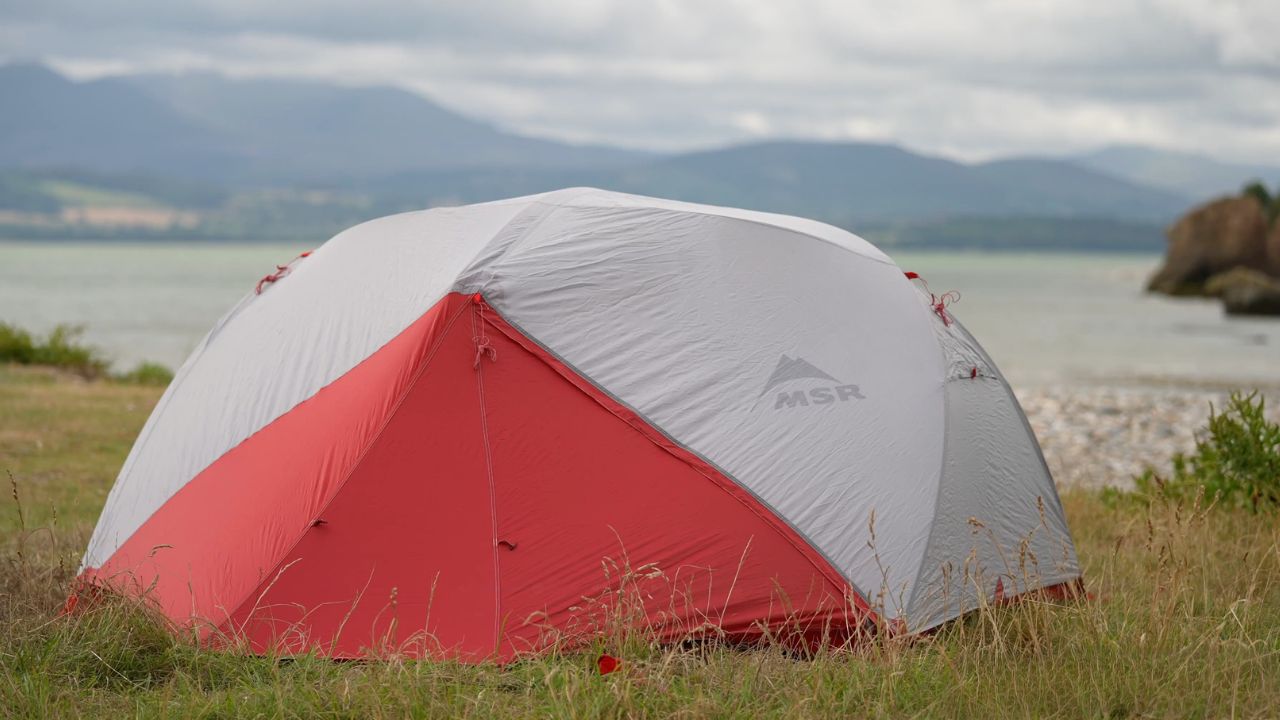
Size is another key consideration. Tents are usually described as 2 person, 3 person or 4 person. On sea kayaking expeditions, because you have more space available in your kayak compared to backpacking, it is common to choose a tent slightly larger than the number of people using it.
For example:
-
Two people often choose a three person tent for extra space
-
Extra room allows better storage of wet kit inside
-
More comfort during longer, weather-bound days
-
Easier organisation of gear in confined conditions
Season rating is also important. Tents are generally classed as 2 season, 3 season or 4 season. A 3 season tent is designed for spring, summer and autumn conditions and is suitable for most typical UK expedition weather. A 4 season tent is built for harsher environments, including strong winds, heavy rain and even snow. These are stronger and more robust, offering extra security in extreme conditions.
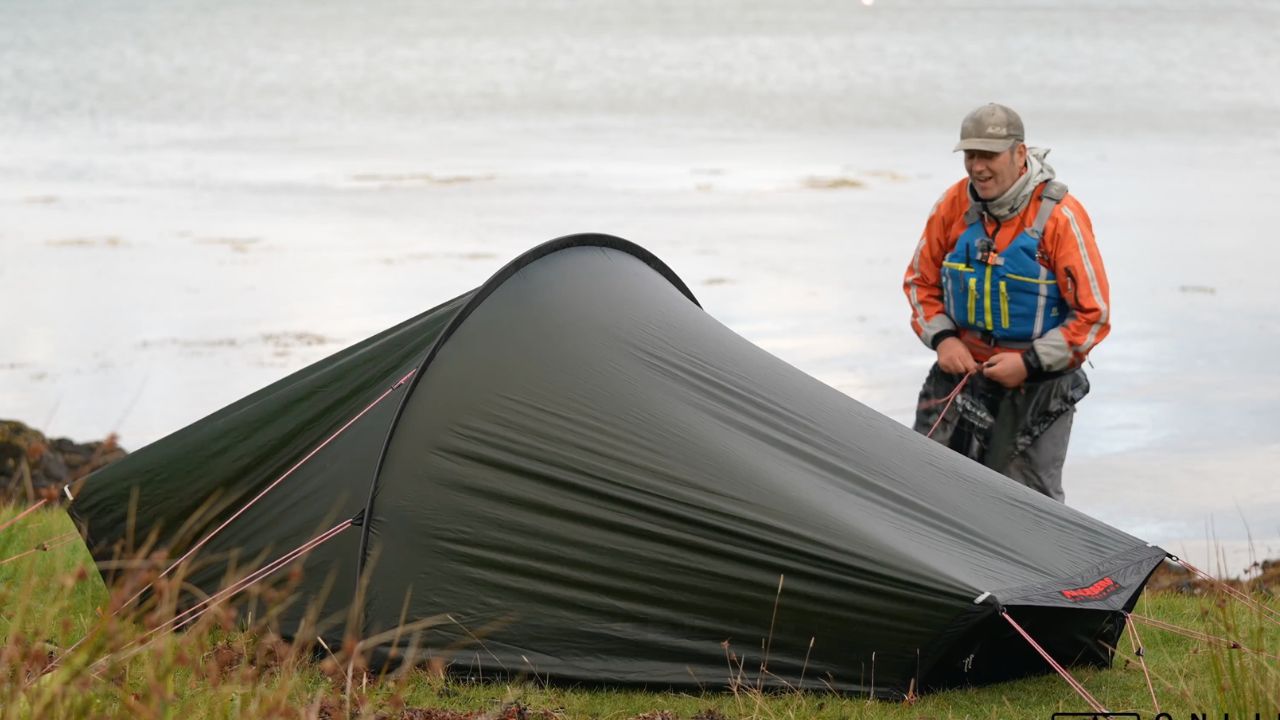
Porch size is another factor that is often overlooked but can make a big difference. The porch is the covered area outside the inner tent where you store gear and, in some cases, cook. A larger porch provides more space for equipment and offers shelter during bad weather.
A good porch area allows you to:
-
Store wet gear outside the sleeping space
-
Cook more comfortably in poor weather (with caution)
-
Keep the inner tent cleaner and less cluttered
-
Wait out storms with more usable sheltered space
When it comes to pitching a tunnel tent, the process is generally quick and straightforward. You typically start by positioning the tent and securing a couple of pegs to hold it in place, ideally aligned with the wind so it presents a streamlined shape. This helps prevent it from catching the wind while you continue setting up. Once the ends are secured, the poles are inserted and the tent structure begins to take shape. The design allows the inner and outer to rise together, meaning everything is already in place once it is fully pitched.
Freestanding or semi geodesic tents are slightly different. A footprint is often used first, which is a protective groundsheet placed under the tent. This helps protect the base from wear and tear, especially on rough or rocky ground, and can extend the lifespan of the tent significantly. It is also useful in wet or boggy conditions. After the footprint is secured, the inner tent is pitched, followed by the flysheet being clipped over the top. Pegs and guy lines are then used to secure everything properly.
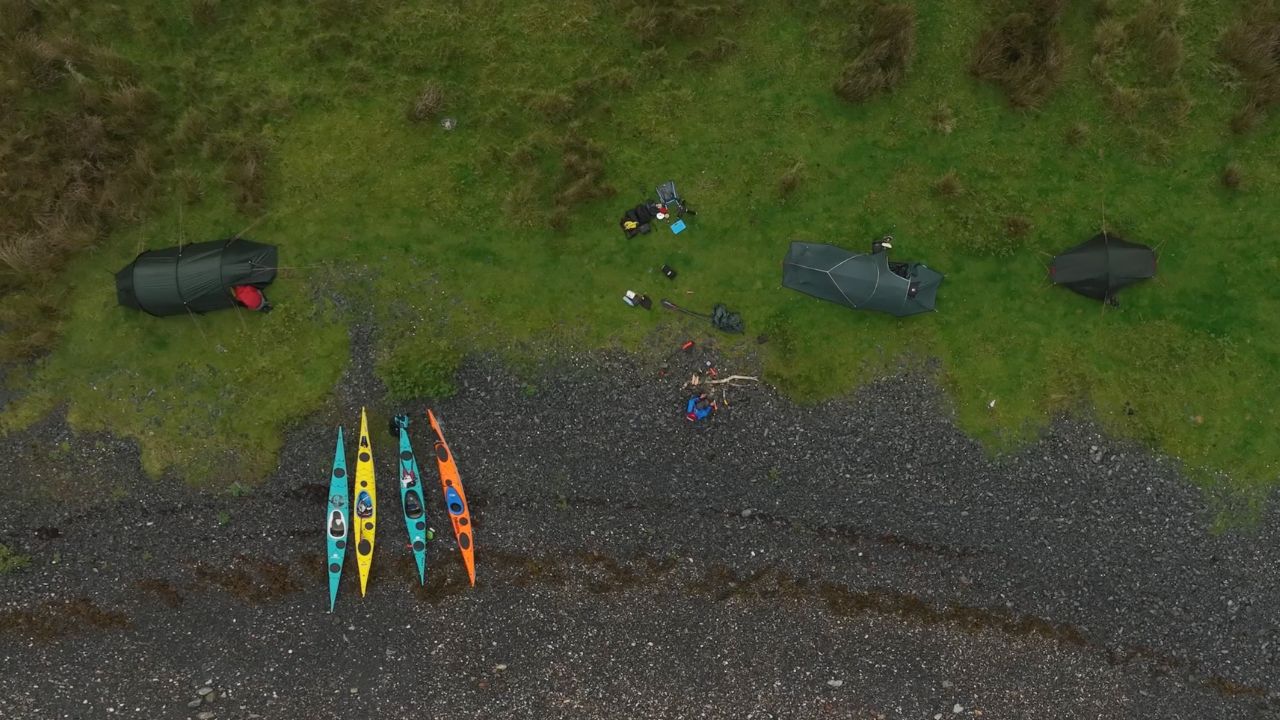
Different tents suit different expedition needs. Tunnel tents are often chosen for their speed and efficiency, especially in poor weather. Freestanding tents offer flexibility and strength, particularly in uneven terrain. The right choice depends on your route, the conditions you expect, and how you plan to use the tent as part of your wider expedition system.
Finally, it is always worth spending time in an outdoor retailer where you can physically see and try different tents. Looking at how they pitch, how much space they offer inside, and how they perform in realistic conditions can make a huge difference to your decision. A well chosen tent will keep you safe, comfortable and confident on your sea kayaking expedition, whatever the weather brings.
If you are wanting to get all of your expedition skills sharpened for an expedition or trip you have coming up, you can get instant access to our "Expedition Skills" course, and all of our other online courses with our 7-day FREE trial.
Full access to the OSK Library of courses and content
Free 7 day trial
Access to the full OSK Library of courses + Community
Accelerate your skills development
Get unlimited support and feedback from the OSK Coaches
Increase your navigation and planning knowledge
Become a safer paddler
Get inspiration
Learn about kayaks and equipment
Interact with a growing community of paddlers
A whole year of learning for less than a day of on water coaching
